

Social and Behavior Changes
Building trust. Listening to communities. Supporting every child's protection from polio.
Connecting the Programme with Communities
Community engagement connects the Pakistan Polio Eradication Programme with the families and communities it serves. Through listening, respectful dialogue and locally relevant communication, the programme works to understand concerns, strengthen trust and support informed decisions about polio vaccination.
This work is part of Social and Behaviour Change Communication (SBCC), which brings together community engagement, media and external communications, and digital engagement. These coordinated efforts help sustain vaccine acceptance, address concerns and misinformation, and maintain a supportive environment for polio vaccination.
Working with Communities
How the programme builds and sustains trust with the families it serves.
Listening and Responding to Concerns
Engagement begins with understanding the concerns and experiences of parents, caregivers and communities. Through direct conversations and community feedback, the programme identifies issues that may affect vaccination and uses these insights to make communication more relevant and responsive.
Engaging Trusted Local Voices
Trusted community and religious leaders, alongside other locally influential voices, support dialogue with families. Engagement is tailored to the local context, recognising that different communities may need different approaches to address their concerns and build confidence in vaccination.
Strengthening Frontline Communication
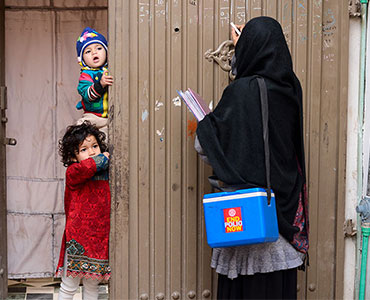
Respectful, effective conversations at the doorstep are an important part of community engagement. The programme's approach prioritises stronger interpersonal communication skills among frontline workers, with training informed by local challenges and feedback from the field. The focus is on the quality of each interaction, rather than simply the number of conversations held.
Supporting Efforts to Reach Missed Children
Community engagement also supports efforts to reach children who have missed vaccination. Communication teams work alongside programme operations to understand why children were missed and help shape appropriate engagement with their families. This approach keeps the focus on every unvaccinated child, regardless of the reason they were missed.
Engagement Beyond Campaign Days
Community engagement continues before, during and between vaccination campaigns. Maintaining dialogue beyond campaign days helps strengthen relationships, respond to concerns early and ensure that engagement is ongoing rather than limited to a vaccination visit. Listening and feedback remain central throughout this process.
Supporting Engagement Through Media and Digital Channels
Clear, timely and accurate public information helps create an informed and supportive environment for polio eradication.
Media & External Communications
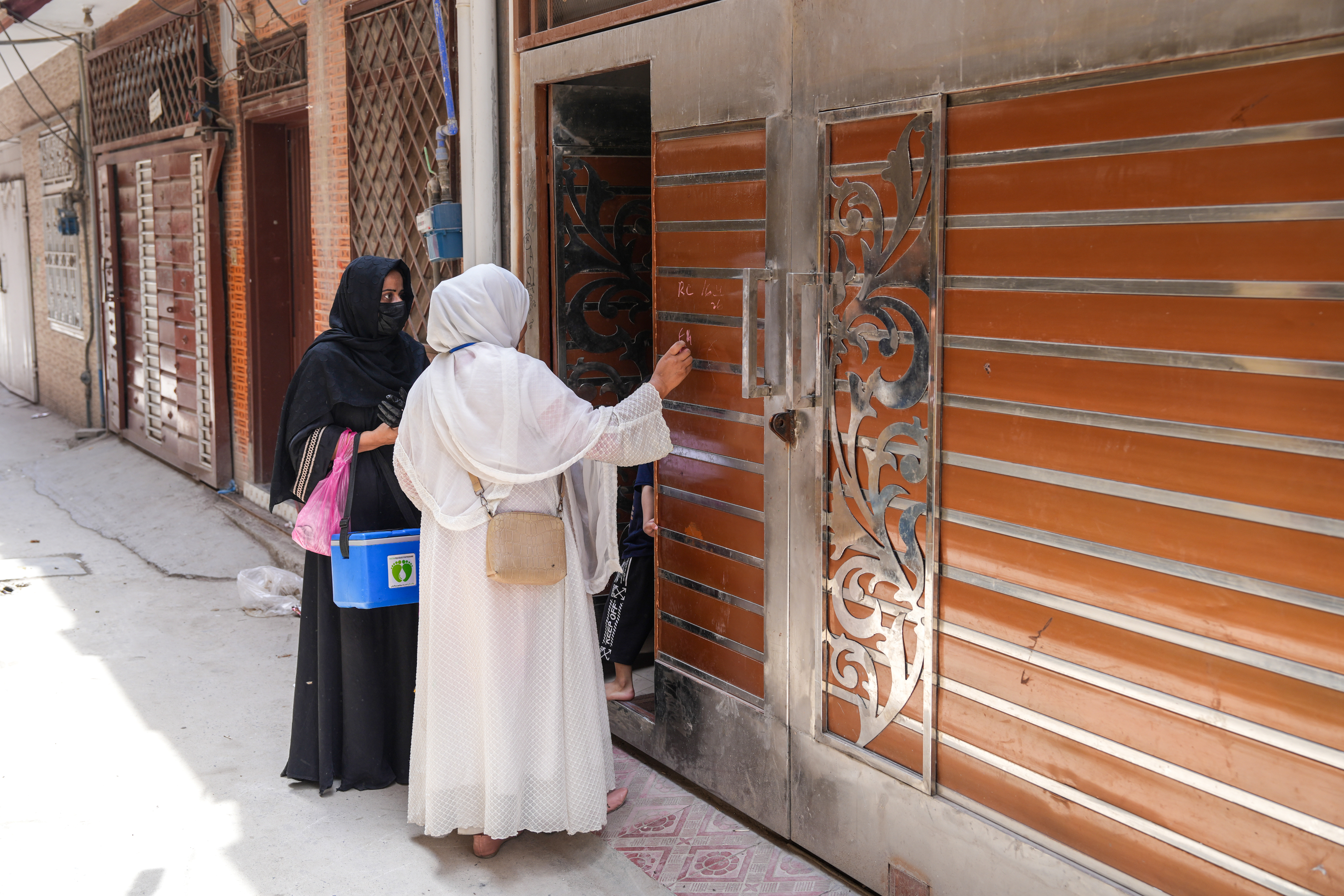
SBCC works with journalists and media professionals to support responsible reporting, share programme updates and highlight the experiences of communities and frontline workers. Communication is coordinated around vaccination campaigns and other key programme moments, with timely responses to emerging concerns.
Digital Engagement
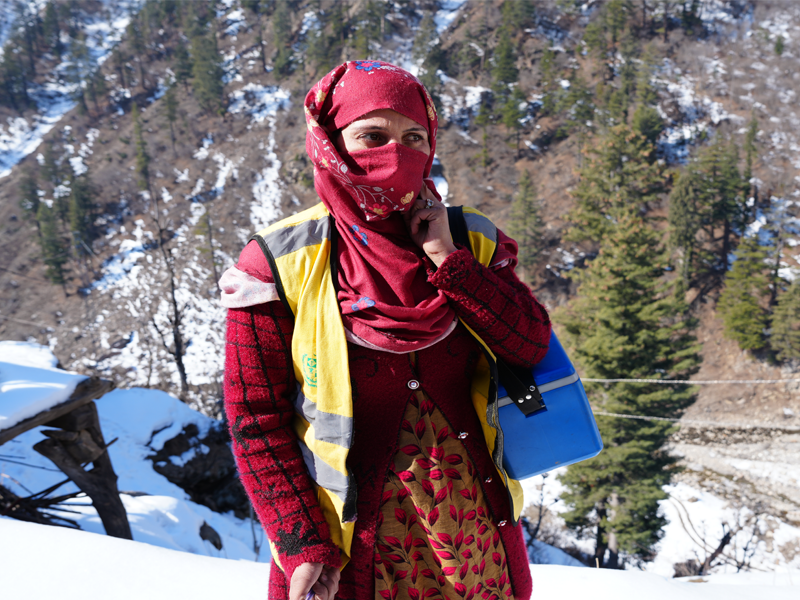
Digital engagement extends listening and communication into online spaces. Through social listening, the programme identifies emerging questions and information needs, develops audience-focused content in appropriate languages and formats, and responds to misinformation with credible information. Social media campaigns, trusted digital voices and community champions help sustain vaccine confidence and awareness.
Evidence, Listening & Learning
Community feedback, social listening, media monitoring and communication insights guide SBCC's work. Together, they help the programme understand changing concerns, improve messages and adapt engagement approaches to the needs of the communities it serves.
How the Approach Works
Insights from communities, frontline engagement, media and digital platforms inform coordinated communication. Feedback and learning then shape the next cycle, keeping engagement relevant and responsive to changing needs.