
Gender Mainstreaming
Removing barriers. Reaching every child.
Pakistan's Commitment to Gender-Responsive Programming
Gender roles and norms, and the power relations that underpin them, are important determinants of health outcomes. To reach every last child and achieve a polio-free Pakistan, the Pakistan Polio Eradication Programme applies a gender lens to its work, using gender analysis to understand and address gender-related barriers across immunization, community engagement and disease surveillance.
Barriers at Every Level
Gender intersects with other determinants of health, including age, socioeconomic status, education and access to services. These barriers can operate at the individual, household and community level, shaping whether a child is reached with immunization.
Evidence-Led Response
The Programme promotes the collection and use of sex-disaggregated data on vaccination coverage and workforce participation, helping interventions respond more precisely to the needs of children and communities.
Women on the Frontline
Reaching every child also means supporting women's meaningful participation in immunization activities, including their role as frontline workers and trusted community-level communicators.
Why Gender Mainstreaming Matters
Every child deserves protection from polio. Yet gender roles, social norms and unequal decision-making power can affect access to immunization. Gender mainstreaming means recognising these differences and addressing them throughout the planning, delivery and monitoring of polio eradication efforts. The Global Polio Eradication Initiative (GPEI) is committed to this approach to help reach every child and build a polio-free world.
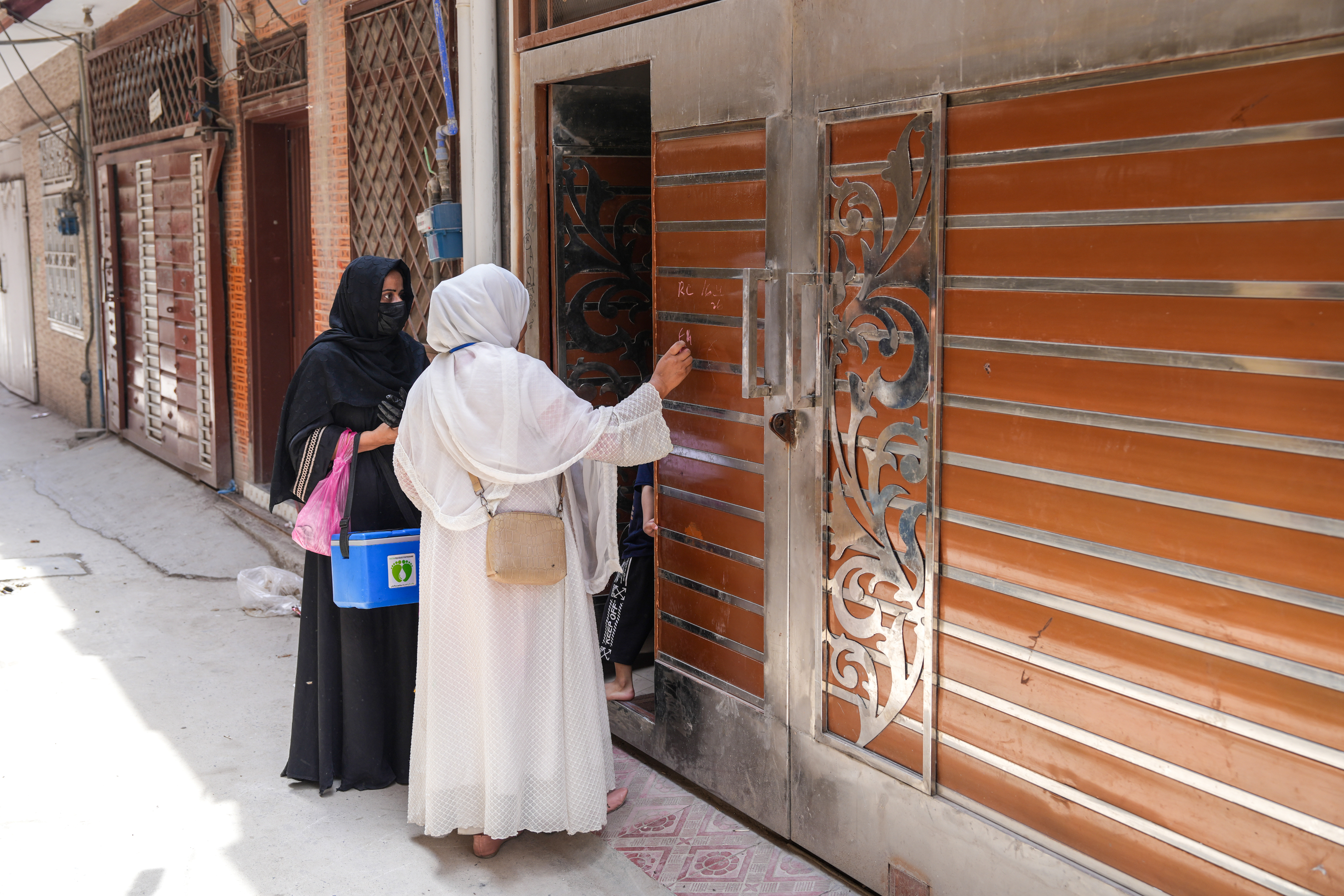
Addressing Gender-Related Barriers
Gender influences how people access health information, make decisions about their children's care and use immunization services. These influences intersect with age, education and socioeconomic circumstances, creating barriers within households and communities. Understanding these differences helps programmes respond to the needs of the people they serve.
The GPEI conducts regular gender analysis to identify and address barriers in vaccination and disease surveillance, helping ensure that its interventions reach children who might otherwise be missed.
Using Data to Guide Action
Reaching every child starts with understanding who is being left behind and why. The GPEI promotes the collection and analysis of sex-disaggregated data, meaning data recorded separately for females and males, across vaccination coverage and staffing.
Combined with gender-sensitive analysis, this evidence helps identify gaps in access, understand differences in vaccination coverage among girls and boys, and improve women's representation across the polio workforce.
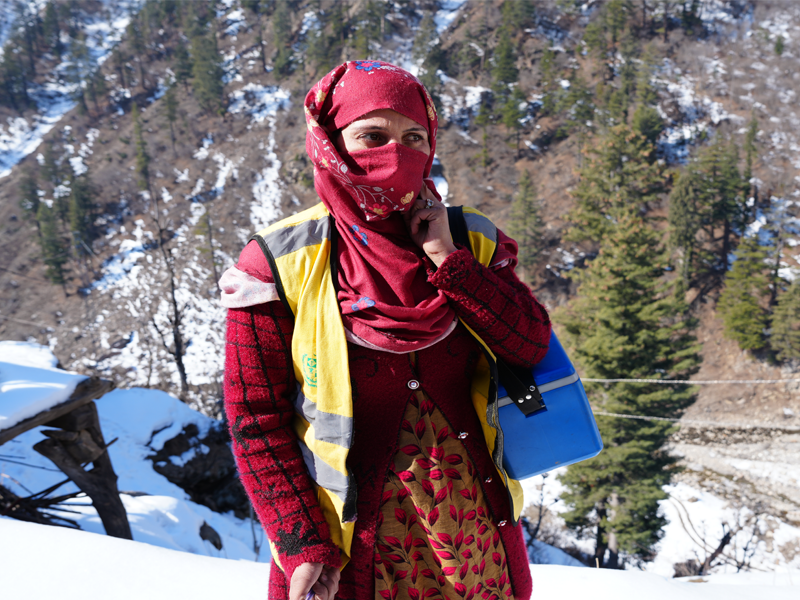
Strengthening Women's Participation and Leadership
Women play a vital role in polio eradication, from engaging families and delivering vaccines to informing programme decisions. The GPEI works to strengthen women's meaningful participation at every level not only as frontline workers, but also as leaders and decision-makers.
This includes supporting their professional development and promoting safe, inclusive and respectful working environments.
GPEI Gender Equality Strategy
Endorsed in May 2019, the GPEI Gender Equality Strategy 2019-2023 established a framework for integrating gender equality into polio eradication. It supports countries in addressing gender-related barriers to vaccination, improving coverage and increasing women's meaningful participation through action plans tailored to local needs.
A midterm evaluation in 2022 assessed progress, identified challenges, and informed recommendations to strengthen implementation. Following an initial extension to 2026, the strategy has since been extended to 2029 to align with the revised global polio eradication timelines.
GPEI Gender Equality Strategy 2019-2023 (extended to 2026) — available in:
Related Resources
Technical briefs, country case studies and factsheets on gender and polio eradication.
Gender Technical Brief
Summary of the GPEI's approach to gender and polio eradication.
FAQ: Gender and Polio
Frequently asked questions on gender mainstreaming in the polio programme.
Polio Gender Champions
Profiles of individuals advancing gender equality across the programme.
Other Gender Materials
Additional resources on gender and polio eradication.
Nigeria: Gender-Related Barriers
Polio programming in Nigeria addressing gender-related barriers to reach more children with immunization.
Ethiopia: Reducing Gender Barriers
Polio programming in Ethiopia reduces gender barriers to immunization through built-in strategies.
DRC: Improving Vaccination Coverage
Addressing gender-related barriers to immunization in DRC to improve polio vaccination coverage.
Pakistan: Women-Led Solutions
Fact Sheet: Women-led solutions for a polio-free Pakistan (The Listening Project).
Afghanistan: Polio Gender Assessment
An assessment of gender-related barriers to polio eradication in Afghanistan.