
How three young data handlers help strengthen Pakistan's fight against polio
Karachi, Sindh:
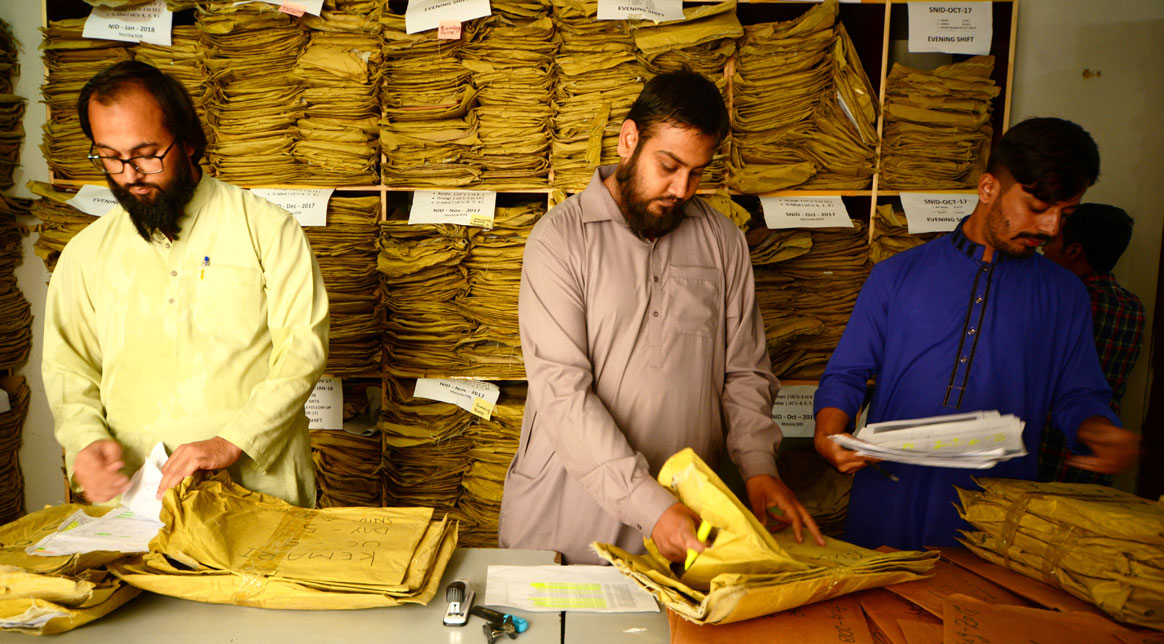
After a Polio Vaccination Campaign’s end, the work is far from over. In a busy office in Karachi, Jan Sayyed, Ali Raza and Muhammad Bilal Wasi Jan sort through thousands of campaign forms. The forms are collected by vaccination teams across the country.
Every form tells the story of a child who received the polio vaccine, a family that refused vaccination, or a community that still needs support. Together, these three young data handlers organise millions of records. This data helps health teams plan future vaccination campaigns. Turning Information into Action During vaccination campaigns, frontline workers record important information after visiting each household. They note how many children were vaccinated, whether any families refused the vaccine and other details that help health teams understand what happened during the campaign. Across Pakistan, this creates information on more than two million children. Jan, Ali and Bilal carefully organise and classify these records. The information is then entered into the Integrated Disease Information Management System (IDIMS). It is an online database used by the polio programme.
Supporting Every Campaign
Accurate information helps health teams make better decisions.
Waqar Ahmad is a Technical Officer for Data at WHO Pakistan. He describes data as the lifeblood of the polio programme. It helps teams identify areas with high numbers of vaccine refusals. It also allows them to improve future campaign planning and make sure resources reach the communities that need them most.
IDIMS was introduced in 2015. This system made the process faster by giving programme teams access to real-time information from across the country. Today, the system supports vaccination activities, disease surveillance, logistics planning and human resource management. Working Behind the Scenes Although Jan, Ali and Bilal rarely meet the children whose information they process, they know their work has a direct impact on future vaccination campaigns.
After every campaign, they continue organising the information. The information helps health workers respond more quickly. Which allows the programme to reach missed children and strengthen Pakistan's efforts to end polio.
For these young professionals, every completed form represents more than data. It represents another step towards protecting every child and bringing Pakistan closer to a polio-free future.


