By Wasif Mahmood
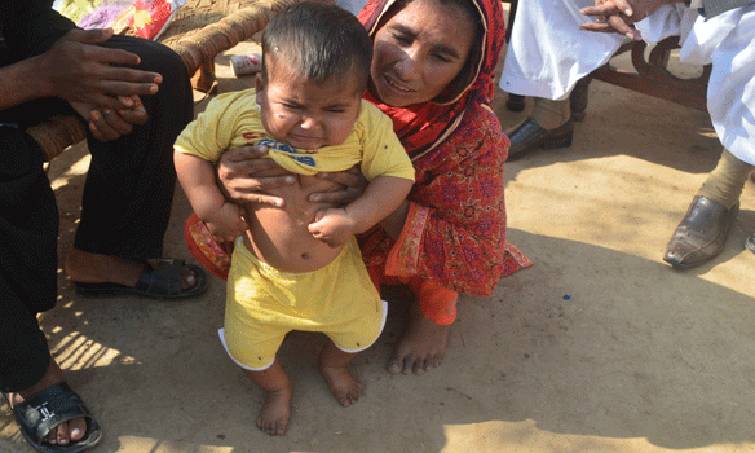
Sahiwal, Punjab, 16 Dec. 2013 - Supporting the tiny body of Abdul Rehman to walk has been to no avail. The mother does this exercise twice, then thrice, but he stumbles and falls down on the floor. Polio has had better of little Rehman.
The fifteen months old child is one of six children paralyzed by polio in Punjab province of Pakistan so far this year. Fortunately no polio case has been reported in the southern part but the province has seen a new trend in its fight against polio with cases being reported from central region including Toba Tek Singh, Sheikhupura and Sahiwal.
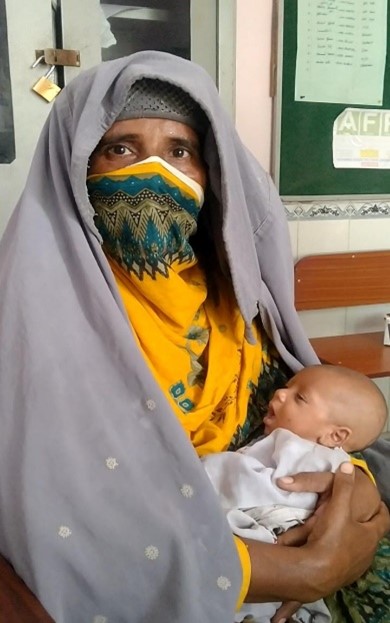
Abdul Rehman lives in a small compound with his parents, grandparents and three siblings, 30 kilometres from Sahiwal city. Polio has brought his first steps in life and playing activities to a grinding halt. Unlike his siblings and cousins who are growing up to learn and shoulder responsibility with their parents, Abdul Rehman has to be kept under constant watch for the need of care and attention.
“Soon after fever, his legs stopped working and he could not even crawl. After dozens of medical tests for 13 long days the doctor confirmed that Abdul Rehman has been paralysed for life by the polio virus”, says Abdul Rehman’s mother.
Saihwal has one of the poorest infant mortality rates in Punjab which stands at 93 per 1000 live births. Polio paralysis of Abdul Rehman who has received the dose of the vaccine during the campaigns is a cause of concern for all actors on the polio eradication effort. The doctors have attributed the case to poor sanitary and hygiene conditions in the area. The neighborhood where Abdul Rehman was born has no sewerage and water supply system. Waste water is drained in open fields where majority of the population works.
“The appalling sanitary conditions make children in the village vulnerable to all diseases, including polio, says Dr Ahsan who has recently joined the Basic Health Unit of Dadar Bala. “Open sewerage channels, children defecating in open and lack of awareness about polio and the importance of repeated vaccination pose serious threat to the health of children here despite several rounds of polio immunization”, he adds.
Including Abdul Rehman, the number of polio victims has reached 75 all over the country.
Despite the outbreak of polio cases, experts are still hopeful that Pakistan will be able to walk the last miles if the all children in security troubled areas and where polio vaccination has been banned since July 2012 could be reached with the lifesaving vaccine.
In 1990, 20,000 cases were reported throughout Pakistan. In 2005 the number of cases was brought down to a mere 30. However, there are some 300,000 unvaccinated children in the Federally Administered Tribal Areas where polio virus circulation has continued.
“The polio virus enters the body of a child through mouth causing lifetime disability and in some cases it’s fatal. It circulates through the fecal matter of children. It is very important to wash hands after open defecation or baby defecation because hands can come in touch with food and other items and can affect even healthy children”, says Dr Tahir Manzoor, UNICEF Health and Nutrition Specialist.
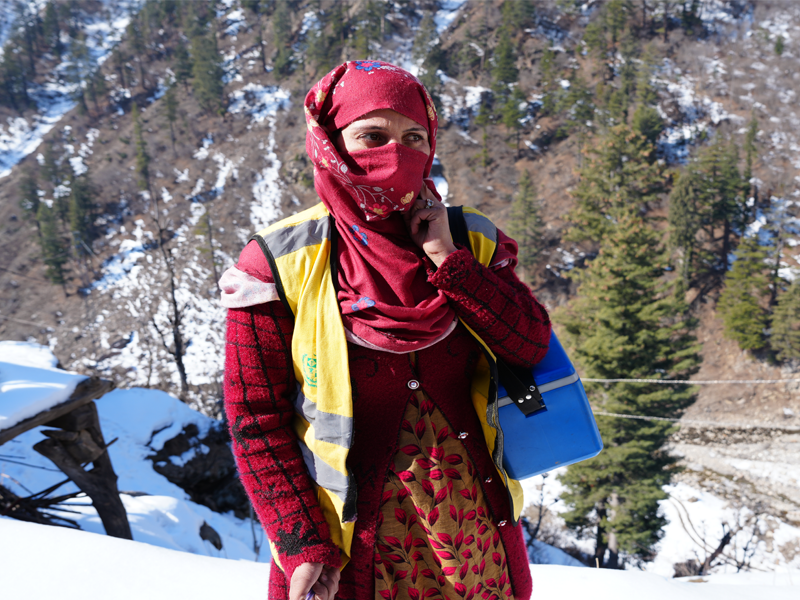
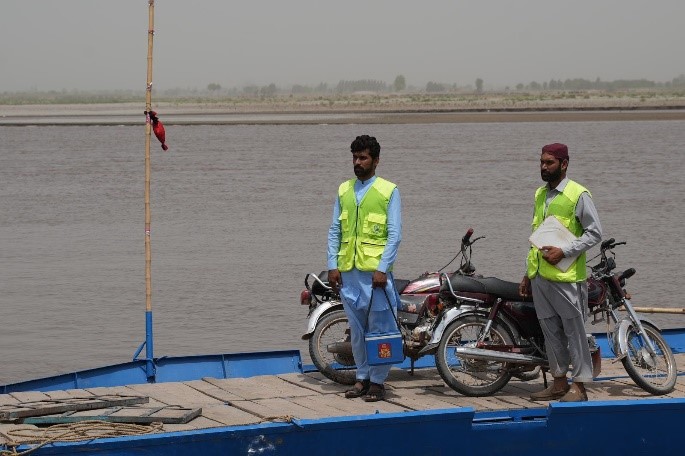
In Punjab alone, 39,242 mobile, fixed and transit teams and specially trained communication network have been deployed to vaccinate 15.8 million children and educate their families about the benefits of the vaccine.
“As long the polio virus circulation has not been stopped, children’s immunity remains weak even if given six doses of vaccine. Most of the children, who live in remote areas where water and sanitation conditions are poor, need 10 doses of vaccine”, he says.
A pal of gloom pervades the neighbourhood which mostly comprises of close relatives of the family.
“I am ready to go all lengths to give Abdul Rehman healthy and normal life, but doctors have said that my child has been crippled for life by polio’, says his mother before breaking down in tears.