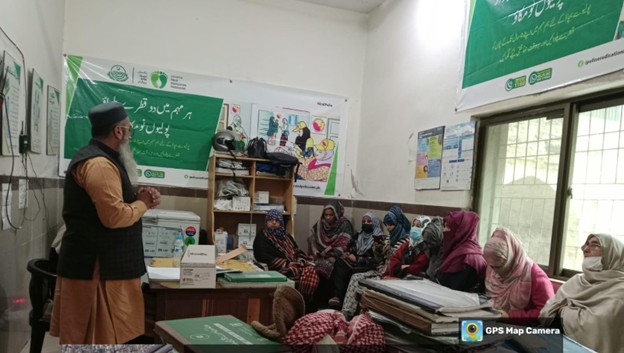
Islamabad, 4 June 2026: The Pakistan Polio Eradication Initiative (PEI), led by the Government of Pakistan, held a review meeting on the May Sub-National Polio Vaccination Campaign conducted from 18 to 24 May 2026 across 79 selected districts in Punjab, Sindh, Khyber Pakhtunkhwa, Balochistan, and Islamabad Capital Territory. The sub-national campaign targeted high-risk districts where poliovirus has been detected in environmental samples, aiming to reduce the risk of transmission in these priority areas.
During the week-long campaign, approximately 163,000 frontline health workers went door-to-door to vaccinate more than 18.61 million children with the polio vaccine. Provincial coverage included over 6.06 million children in Punjab, 5.74 million in Sindh, more than 4.39 million in Khyber Pakhtunkhwa, 1.96 million in Balochistan, and approximately 435,000 in Islamabad Capital Territory.
Administrative campaign coverage reached 98 percent nationwide, while the refusal rate remained low at 0.12 percent. Approximately 404,417 children (2.1 percent) were missed, primarily because they were unavailable during household visits. Through targeted follow-up visits conducted during the final days of the campaign, vaccination teams reached 88 percent of these missed children, helping to close immunity gaps and ensuring no child is left behind.
“The successful completion of this campaign reflects the dedication of our frontline workers and the continued support of parents, caregivers, and communities across Pakistan. Every missed child remains a risk, and we must continue working together until polio is eradicated from the country,” said Ms. Ayesha Raza Farooq, Prime Minister’s Focal Person on Polio Eradication.
The PEI continues to strengthen cross-border and regional coordination in support of polio eradication efforts. Last month, the PEI joined Afghanistan’s polio programme at a Technical Advisory Group meeting, where epidemiological trends were reviewed, synergies were identified, and coordination and collaboration were strengthened. Given how easily poliovirus can spread across borders, sustained coordination between the two countries remains essential to achieving and maintaining interruption of transmission.
At the national level, the PEI is also finalizing the 2026 National Emergency Action Plan (NEAP), which outlines priority actions required to accelerate progress towards polio eradication, strengthen outbreak response, and close remaining immunity gaps.
The PEI remains firmly committed to reaching the final mile of polio eradication. Frequent and repeated vaccination campaigns remain essential as poliovirus continues to be detected in environmental samples, underscoring the need for multiple doses to build and sustain strong immunity to interrupt transmission. The PEI calls for sustained cooperation from parents, communities, educators, religious leaders, and all segments of society, emphasising that every child under five must receive polio vaccine drops during every campaign to ensure full protection.
Pakistan is one of only two countries in the world where wild poliovirus continues to circulate, alongside Afghanistan, reinforcing the urgency of continued collective efforts to protect every child.
With two nationwide polio vaccination campaigns already completed in 2026, the next campaign is scheduled for September. Additional targeted vaccination activities will also be conducted in high-risk areas as needed to sustain high levels of immunity across the country.
Note for the Editor:
Polio is a highly infectious disease caused by poliovirus mainly affecting children under the age of five years. It invades the nervous system and can cause paralysis or even death. While there is no cure for polio, vaccination is the most effective way to protect children from this disease. Each time a child under the age of five is vaccinated, their protection against the virus is increased. Repeated immunisations have protected millions of children from polio, allowing almost all countries in the world to become polio-free, besides the two endemic countries of Pakistan and Afghanistan.
For further information, please contact: Mr. Syed Farhan Shah, Public Relations Officer, NEOC, +923165011808, syed.farhanshah1990@gmail.com