

Across Pakistan, thousands of women are working every day to protect children from polio. They walk through neighborhoods, villages, and crowded streets carrying vaccine carriers filled with polio drops.
From door to door, they make sure every child under five receives protection from this preventable disease. These women frontline workers play a critical role in keeping communities healthy.
Their work helps families understand the importance of vaccination and ensures that no child is left behind.
Reaching Families Where They Live
For many parents and caregivers, frontline workers are the first people they speak to about their children’s health. Across Pakistan, from busy cities to small villages in different provinces these dedicated women reach families where they live and work.
During vaccination campaigns, they visit homes and speak directly with parents and caregivers. They answer questions, reassure families, and explain how polio drops protect children from a disease that can cause lifelong disability.
Because many of these workers come from the same communities they serve, they understand the concerns parents may have.
They speak the local language, respect local traditions, and build strong relationships with families over time.
These friendly conversations help build trust and encourage parents to take an active role in protecting their children’s health.
Through their efforts, women frontline workers are helping ensure that children across Pakistan’s provinces receive the protection they need.
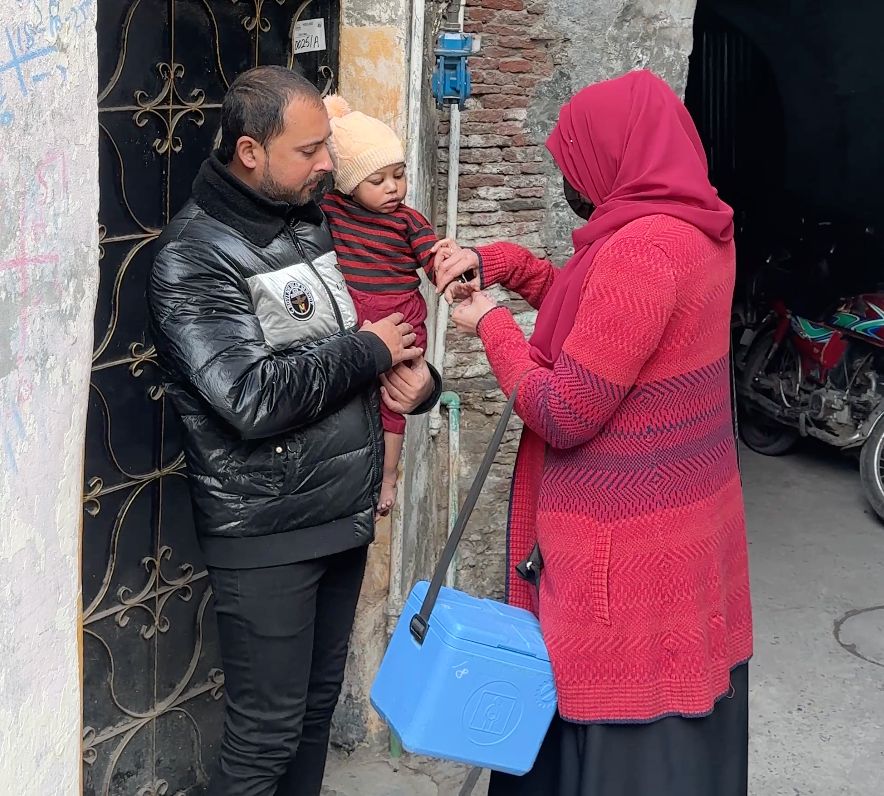
Shehnaz Ayaz: Helping Communities Understand Vaccines
Shehnaz Ayaz has worked as a frontline health worker for more than ten years. Her job takes her from door to door in her community, speaking with families about vaccines and children’s health. When she visits homes, she begins with a friendly greeting and introduces herself.
“Assalam-o-Alaikum, we are from the health department. We have come to give polio drops. Are there any children under five in your home?”
Sometimes parents are curious and ask questions about vaccines. In the beginning, Shehnaz often heard families say that their children looked healthy and did not need vaccination.
“Some people would ask, ‘Why do our children need vaccines? They are not sick.’”
Shehnaz patiently explains that vaccines protect children before illness can happen. She tells parents that polio is a disease that has no cure, but it can be prevented with just two drops.
Through these conversations, she helps families understand that vaccination is an important step in protecting their children’s future.
Over time, these discussions have made a difference in her community. Today, many parents recognize the importance of vaccines. Some families even look forward to the visits.
“Now many mothers say they are waiting for the health worker to come so their children can receive the drops.”
For Shehnaz, these moments show how trust and awareness can help keep children safe.
Every conversation, every visit, and every vaccinated child brings the community one step closer to protecting all children from polio.
Patience and Compassion in the Field
Working as a frontline health worker requires patience. Some days involve long walks through neighborhoods where children may not be home yet, are at school, or are asleep. Other times, families may ask the team to return later when children are awake or back from school.
But the workers continue their efforts because their mission is clear: every child deserves protection from polio.
Through their dedication, thousands of children receive life-saving polio drops during each campaign.
Women Leading Change in Their Communities
Women frontline workers are powerful examples of women empowerment and leadership in healthcare. By working in communities and supporting families, they demonstrate how women can drive positive change.
Their efforts not only protect children but also strengthen communities by promoting health awareness and trust. For young girls watching them work, these women are inspiring role models.
They show that women can lead, serve their communities, and make a lasting difference.
Women Frontline Workers Leading the Path to a Polio-Free Pakistan
Pakistan continues its journey toward becoming polio-free, and women frontline workers remain at the heart of this effort. Every vaccination campaign, every home visit, and every conversation with parents brings the country one step closer to protecting all children from this preventable disease.
These women work in cities, towns, and remote villages. They walk through busy streets, knock on doors, and patiently speak with families to make sure no child is left behind.
Their compassion, dedication, and strong connection with the communities they serve help ensure that children across the country receive the protection they need.
A Healthier Future for Every Child
For many parents and caregivers, these frontline workers are trusted allies. They are familiar faces who return during each vaccination campaign, ready to answer questions and reassure families about their children’s health.
Through their efforts, parents gain the knowledge and confidence needed to protect their children from polio and other preventable diseases.
Their work also shows the powerful role women can play in strengthening communities. By stepping into leadership roles and supporting families every day, women frontline workers are helping build healthier and more informed communities across Pakistan.
With every door they knock on and every child they vaccinate, these dedicated women are helping create a safer future for the next generation.
Their efforts are a reminder that when communities work together, a polio-free Pakistan is within reach, and every child can grow up healthy, strong, and protected.
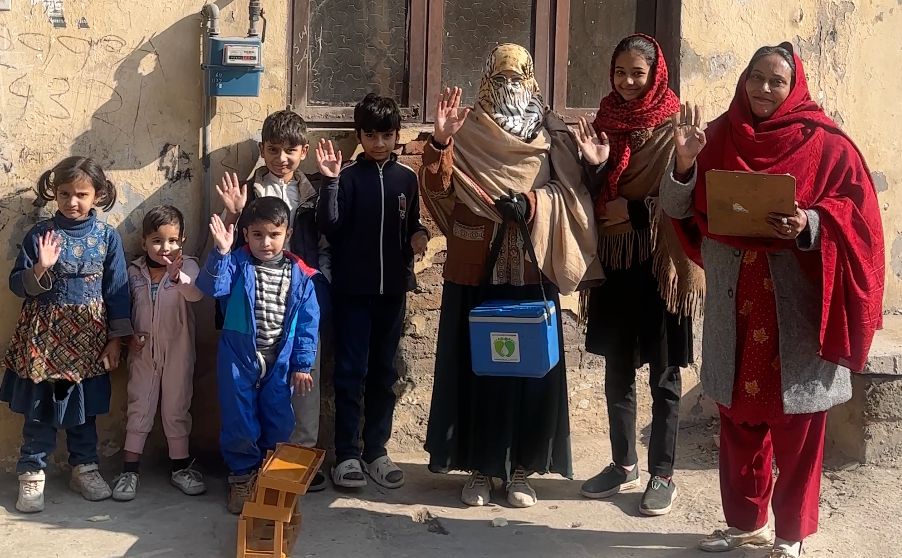
Frontline health workers pose with children during a door-to-door vaccination campaign aimed at protecting every child from polio